


Delta Flight DL275, traveling from Seoul to Atlanta, had to make an unexpected landing at Los Angeles International Airport (LAX). The flight was diverted due to a medical emergency on board. In this article, we’ll explain what happened, how Delta handled the situation, and what passengers should know about flight diversions.
Flight diversions like this are rare but necessary when a passenger’s health is at risk. In such situations, pilots must act quickly, choosing the nearest suitable airport with the right medical facilities. In this case, LAX was the best option, allowing the passenger to receive immediate medical care upon landing.
While this change in route caused a delay in the flight’s original destination, Delta Airlines handled the incident with professionalism. The airline ensured that passengers were taken care of, provided with updates, and rebooked for connecting flights or onward travel as needed.
Why Was Delta Flight DL275 Diverted to LAX?
Delta Flight DL275 was on its way from Seoul, South Korea, to Atlanta, Georgia, when it had to make an unexpected stop in Los Angeles. The reason for this change was a medical emergency involving a passenger who needed urgent medical attention.
When a serious health issue happens on a flight, the crew must decide whether it’s safe to continue or if they should land early to get help. In this case, the flight crew chose to land at Los Angeles International Airport (LAX) because it was the closest major airport with the right medical facilities.
Los Angeles is a large, well-equipped airport that can handle big international planes like Delta’s Airbus A350. It also has medical teams ready to help in emergencies. This made it the best choice for the diversion.
Safety is always the top priority for airlines, and Delta’s team followed the correct procedures to make sure the passenger received care as quickly as possible. Although it caused a delay, the decision helped protect someone’s health—and that matters more than arriving on time.
Delta Air Lines’ Response
Delta Air Lines acted quickly and professionally when Flight DL275 had to be diverted to Los Angeles. As soon as the medical emergency happened, the flight crew followed safety procedures and contacted air traffic control to request an emergency landing at LAX.
The airline made sure that medical staff were ready and waiting at the airport when the plane landed. The passenger in need received care right away. Delta also kept the other passengers informed during the situation, helping them stay calm and understand what was happening.
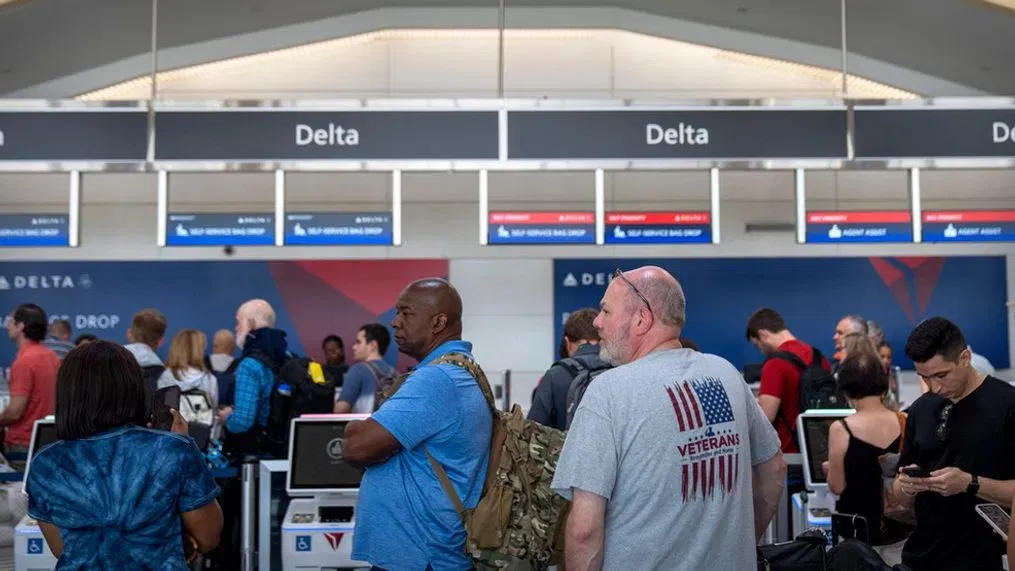
After the plane landed, Delta worked fast to help everyone continue their journey. Some passengers were rebooked on new flights, and others were offered meals or hotel stays depending on the length of the delay. The airline’s customer service team was available to answer questions and provide help.
Delta also released a public statement, saying that the health and safety of passengers and crew always come first. Their quick thinking and clear communication showed how well they handle unexpected events.
Passenger Reactions and Experience
Passengers on Delta Flight DL275 had mixed feelings when the flight was suddenly diverted to Los Angeles. While many were surprised or concerned at first, most people understood the seriousness of the situation once the crew explained there was a medical emergency on board.
Several passengers praised the Delta flight crew for staying calm, clear, and professional throughout the situation. Flight attendants made regular announcements, gave updates, and made sure everyone felt safe and cared for during the unexpected stop.
On social media, passengers shared their experiences. One person posted:
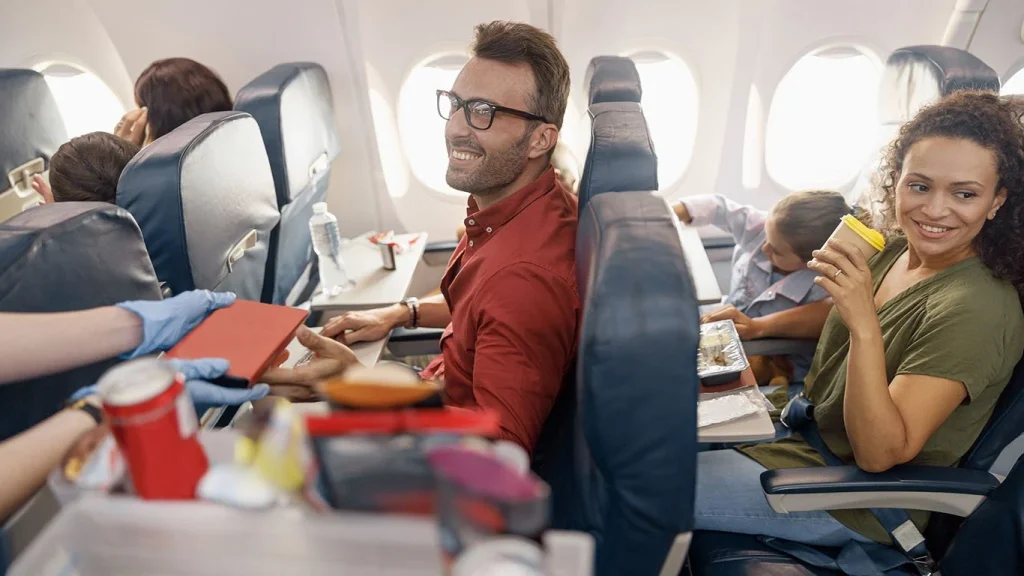
“Delta handled the situation very well. The crew stayed calm and kept us updated. They did the right thing.”
Some passengers did face delays getting to Atlanta or catching connecting flights, but Delta helped rebook travel and arranged hotel stays when needed. Even though plans changed, many travelers said they were glad the airline put someone’s health first.
Quick Facts About Delta Flight DL275
Flight Number & Route: Delta Flight DL275 was scheduled from Detroit (DTW) to Tokyo Haneda (HND) aboard an Airbus A350-900
Date & Flight Details: On May 28, 2025, the flight departed Detroit and reached cruising altitude (~38,000 ft) over the North Pacific
Issue Detected: Crew identified a malfunction in one of the Rolls‑Royce Trent XWB engine’s anti‑ice systems, a crucial safety component
Decision to Divert: Prioritizing safety, pilots chose to reroute approximately 620 nm southwest of Anchorage and land at Los Angeles International Airport (LAX)—a Delta hub with full maintenance support
Landing: The aircraft touched down safely on Runway 06R at LAX about 5.5 hours after the diversion decision
No Injuries: All 285 passengers and 13 crew were unharmed; some underwent medical check-ups as a safety measure .
Post-landing Care: The remainder of the flight was cancelled. Delta promptly rebooked passengers, provided accommodations, and arranged meals
Aircraft Grounded: The A350 (registration N508DN) stayed in LAX for about 18.5 hours while undergoing inspection and repairs
Tips for Travelers During In-Flight Diversions
Flight diversions don’t happen often, but when they do, it’s important to know how to handle them. Here are some helpful tips for travelers in case their flight is unexpectedly diverted:
- Stay Calm: First and most importantly, don’t panic. Diversions are made to keep everyone safe. Listen carefully to the flight crew’s instructions and stay seated unless told otherwise.
- Follow Instructions: Flight attendants are trained for emergencies. If they ask you to prepare for landing or move seats, do so quickly and calmly.
- Use Airline Apps: Check the airline’s mobile app (like Delta’s) for updates on your flight status, gate changes, and rebooking options.
- Keep Important Items Handy: Always keep essential items—like medications, ID, phone, and charger—in your carry-on, just in case you don’t return to your original destination right away.
- Be Patient and Polite: Everyone is doing their best, including the airline staff. Staying respectful and calm will help things go more smoothly.
- Know Your Rights: Airlines often provide food, hotel stays, or rebooking during diversions. Ask politely about your options at the airport or call customer service.
By staying prepared, you can manage any in-flight change with less stress.
Frequently Asked Questions (FAQ)
Was anyone hurt during the flight?
No, all passengers and crew members were safe. The landing went smoothly, and medical staff were available at the airport as a precaution.
What did Delta do after the diversion?
Delta helped passengers by rebooking flights, providing meals, hotel stays, and sharing updates. The airline also inspected and repaired the aircraft at LAX.
Will passengers get compensation?
Compensation depends on the situation. In many cases, airlines offer vouchers, refunds, or travel credits when flights are delayed or diverted.
How often do flight diversions happen?
Diversions are rare, but they do occur for medical emergencies, weather, or technical problems. Airlines are trained to handle them safely.
Final Thoughts
The diversion of Delta Flight DL275 to Los Angeles was an important reminder that in air travel, safety always comes first. Whether the issue is a medical emergency or a technical problem, airlines like Delta are trained and prepared to handle unexpected situations calmly and professionally.
In this case, the pilots and crew made the right decision to land early at LAX, a large and well-equipped airport. Their quick thinking ensured that all passengers and crew stayed safe and that a possible issue didn’t become a serious one. The flight landed smoothly, and no one was hurt.
Delta’s support after landing—offering rebooking, food, and hotel stays—helped passengers feel cared for, even though their travel plans changed. Many travelers praised how the airline managed everything with clear communication and care.
Although diversions can be frustrating, they are made for good reasons. This event shows how teamwork between pilots, crew, and airport staff can turn a challenge into a safe and well-handled solution.
